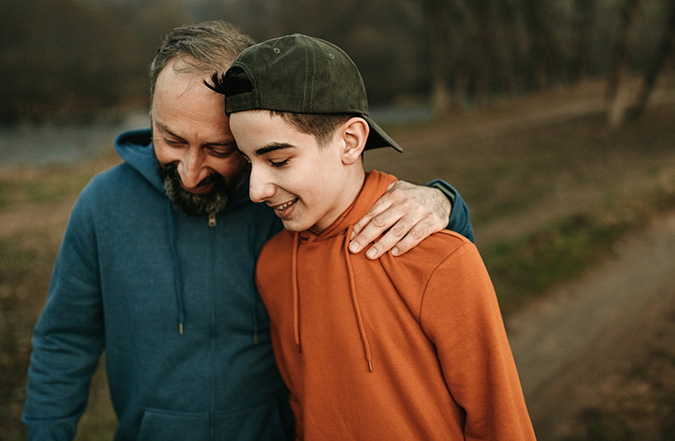
Supporting children who have experienced trauma
For young people who have experienced trauma or loss, pain is often communicated through their behaviors or emotions. Here’s what to consider when seeking mental health support for your child.
Mary Boo has worked in child welfare for almost thirty years, primarily at the North American Council on Adoptable Children (NACAC), where she served as executive director from 2015 to 2022 and assistant director from 2001 to 2015. At NACAC, Boo led the agency’s efforts to support adoptive, foster, and kinship families; advocate for policy and program changes to ensure better outcomes for children and families; and engage caregivers and young people who experienced foster care and adoption in advocacy and program implementation. Boo is an experienced researcher and writer, with particular expertise in child welfare policy, supporting families during and after placement, and achieving permanency for all children and teens in care. Now an independent consultant, she specializes in helping child welfare organizations communicate their priorities to varied audiences, including funders, parents, and professionals.
For young people who have experienced trauma or loss, pain is often communicated through their behaviors or emotions. Here’s what to consider when seeking mental health support for your child.

Forging a strong relationship doesn’t happen overnight. Rather, it requires showing up consistently and with compassion. In this blog post, adoption expert Mary Boo unpacks potential challenges when creating bonds and delves into the art of building trust through gestures like embracing differences, adjusting expectations, and prioritizing connection before correction. Whether you’re starting fresh with a new placement or navigating a rocky patch, this post is packed with practical strategies for helping your family grow stronger together for life.
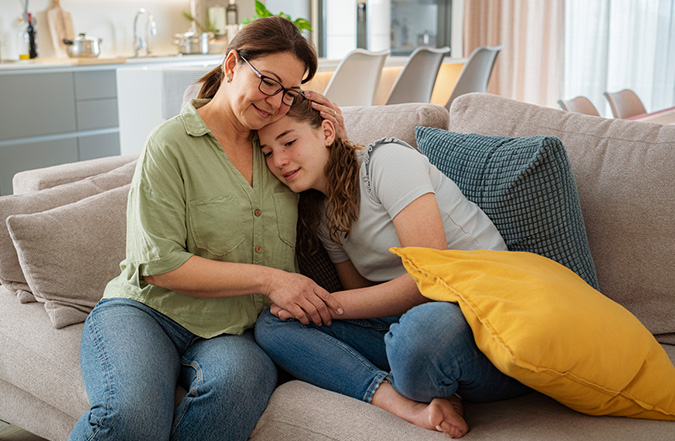
Children and youth who have experience trauma benefit from trauma-informed parenting methods that specifically address their needs.